







TL;DR
- Australian showers carry a WELS rating from 3 to 5 stars. Three stars is the legal minimum for a new install.
- Aim for a flow rate around 9 litres per minute, or 6 to 7.5 L/min if you want to cut the bill further.
- Fixed heads suit compact bathrooms, handhelds suit families and cleaning, rain heads need a roomy enclosure with good pressure, and dual sets cover mixed households.
- Stainless steel and brass last longest in a wet room and hold their finish, in addition to ABS fixtures as a non-metal alternative that last just as long.
- Your plumbing supplies the water pressure. The head only changes how it feels.
- Budget $75 to $1,000 for the head, plus $80 to $250 for a licensed plumber to fit it.
Choosing the Right Shower Head For Your Bathroom Space
Nothing calms the soul more than a relaxing shower after a demanding day of modern life. Choosing the right shower head can mean a great deal to how you experience things like water flow and pressure, but did you know that this also saves you money in the long run?
Speaking directly to the WELS standard and scheme, older shower heads can waste as much as 15-25 litres of water per minute when compared to more efficient, modern designs that use 6-9 litres per minute.
Water saved is better for both the environment and your wallet, so knowing how to choose a shower head is critical for anyone considering a bathroom upgrade. But, with many factors to consider – from different shower head types, to water efficiency ratings, water pressure and more – it can be hard to know where to start. The team provides their two cents to guide you through choosing the best shower tapware that suits both the shower experience you want, as well as the visual impact that the piece can bring to the bath space. Read on to discover why the right shower head is important, learn about the products on the market, and the factors that should influence your choice.
By the end, you should have narrowed down the best shower heads for you.
Why the Right Shower Head Matters
All shower heads in Australia come with a Water Efficiency Labelling and Standards (WELS) rating, which will be displayed on the product’s packaging. This rating ranges from 0-6. The higher the number, the better it is at saving water.
We recommend aiming for a shower head with a WELS rating of 3 or higher because according to the Australian Government, a 3-star shower that flows at 9 litres a minute will save 70kL and $210 each year on water bills. To maximise your savings look for a shower head made from high-quality materials such as stainless steel or brass. This will ensure the product provides comfort for many years.
The right shower head also serves as a statement feature; one that enhances a bathroom, drawing the eye inwards and up across a room.
Understanding Shower Head Types
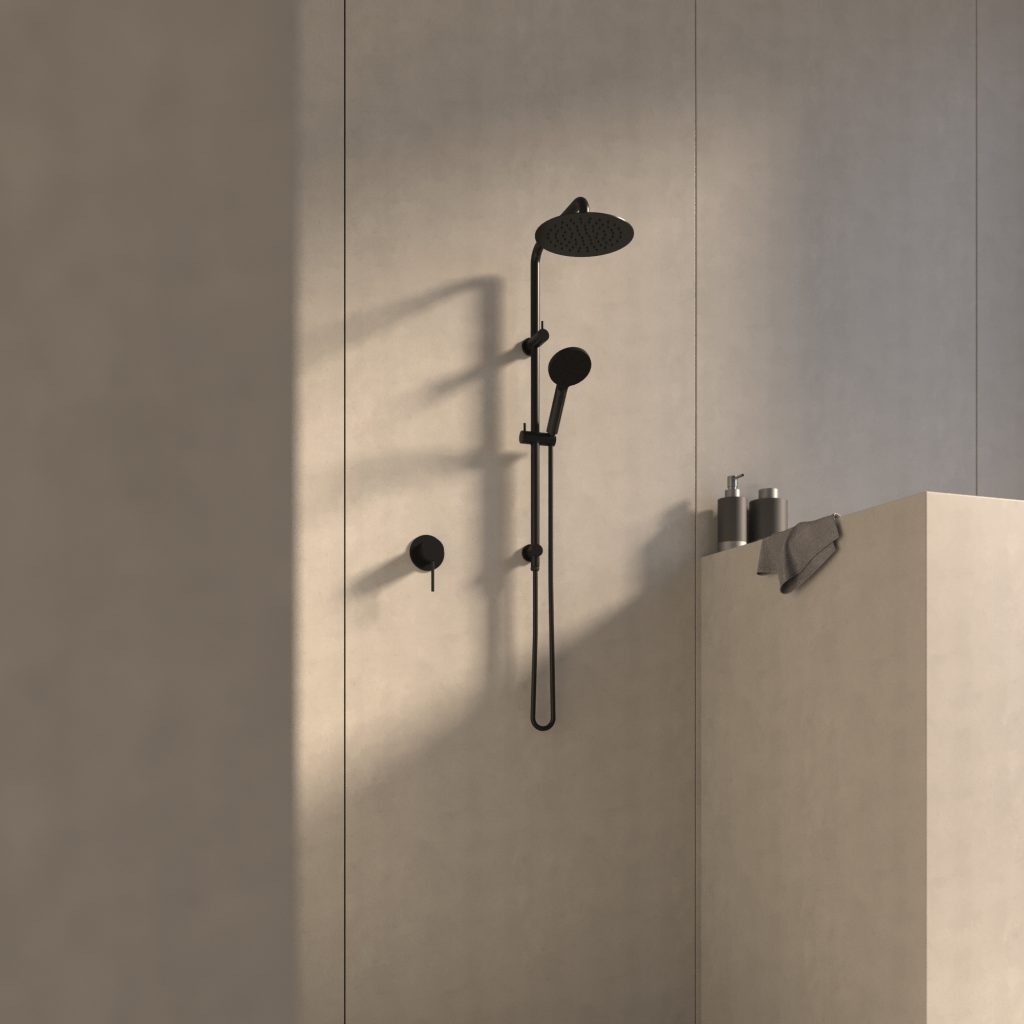
Five main shower head shapes are sold in Australia: fixed, handheld, rain and dual. Water-saving is a WELS efficiency rating that any of the listed five can carry, so check for it on whichever style appeals to you.
| Type | What it is | Best for | Good to know |
|---|---|---|---|
| Fixed | Bolted to the wall and pointed one way, with an adjustable nozzle to vary the spray and pressure. | Everyday showering, compact bathrooms, and renovations on a tight budget. | The cheapest option to buy and install, though you’ll be moving yourself around to rinse off. |
| Handheld | Sits on a flexible hose so you can lift it off the mount and point the water where you want it. | Young families, carer duties, accessibility, and anyone who cleans their own shower. | Height and angle both adjust. The hose and bracket give you one more part to keep clean. |
| Rain | A wide, flat head that drops water straight down to imitate rainfall. | Roomy enclosures with decent water pressure behind them. | You can’t redirect the spray by hand, so look for a model with several settings built in. Mounts on the ceiling or an extended wall arm. |
| Dual | A fixed overhead and a handheld sharing one outlet, run together or one at a time. | Shared bathrooms, and households looking after children, elderly relatives or pets. | The most flexible setup here, though it usually calls for a diverter and a bigger install bill. |
| Water-saving | Also sold as low-flow. Cuts consumption while holding spray force, at 4 or 5 stars under WELS. | Larger families, homes running on tank water, and anyone chasing a smaller bill. | Any of the four shapes above can be water-saving, so the star rating on the WELS label is the number to compare. |
To see more designs and products on the market, explore Bella Vista’s range of shower heads.
Factors to Consider When Choosing a Shower Head
We’ve already covered two main factors to consider when shopping for a shower head; water efficiency and the type of shower head.
But there are a few more aspects to bear in mind before adding to the shopping cart.
How do I choose a shower head with good water pressure?
This refers to the force water flows out of a shower head and has a direct impact on the flow rate (more on that later) and water efficiency. In short, high-pressure showers are more forceful than low-pressure showers.
hen it comes to picking the ‘right’ water pressure for your shower, your plumbing supplies the pressure. The shower head then decides how that pressure feels by the time it reaches you, through the number and size of its nozzles and how tightly it gathers the spray. In a low-pressure home, a smaller head with finer nozzles, or one with a concentrated jet setting, will feel noticeably stronger, because a wide rain head takes the same litres per minute and spreads them across a much bigger face.
What spray pattern should I choose?
Spray patterns can vary from jet pulses, to massage settings, rainfall mist and more. Everyone has different shower preferences so we suggest choosing a shower head that offers adjustable spray patterns.
What is a good flow rate for a shower head?
Around 9 litres per minute gives you a comfortable shower that still uses water sensibly, which puts you at a WELS rating of 3 stars, the minimum any new installation has to meet. You’ll find the figure printed on the WELS label as litres per minute, or L/min.
How much does a shower head cost to buy and install?
The cost of a shower head can range from as little as $75 to $1000 or more, depending on the size and style of the product. However, most people forget to factor in the cost of installing the device via a licensed tradesperson. This typically costs between $80 and $250 in Australia. The price is dependent on the shower type chosen. For example, a ceiling-mounted rainfall shower is more complicated to install than a fixed wall-mounted shower head.
Whether you’re planning a full renovation, or simply upgrading to a new shower head, we recommend budgeting before browsing. This sets realistic goalposts and safeguards your wallet against hidden costs.
Do I have to match my shower head to my tapware?
The design and finish of the shower head will become the focal point of the bathroom, so you want to ensure the product you choose works in harmony with the space. For instance, if you have a smaller bathroom avoid large shower head designs that distract from other carefully curated finishes.
It should be said that achieving a cohesive look doesn’t always mean having to match your bathroom hardware.
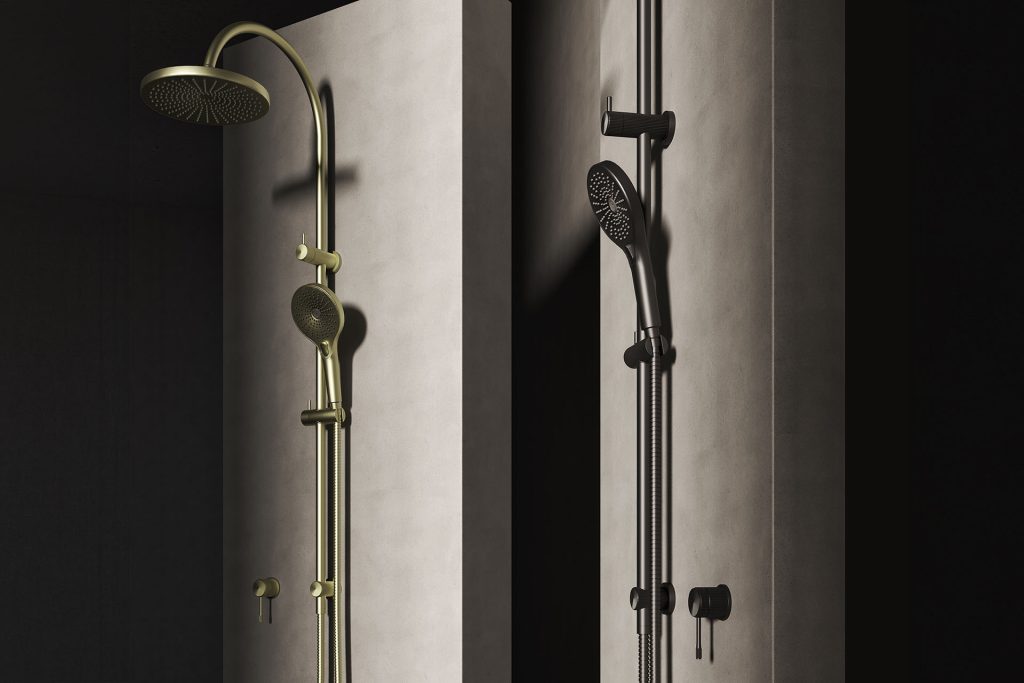
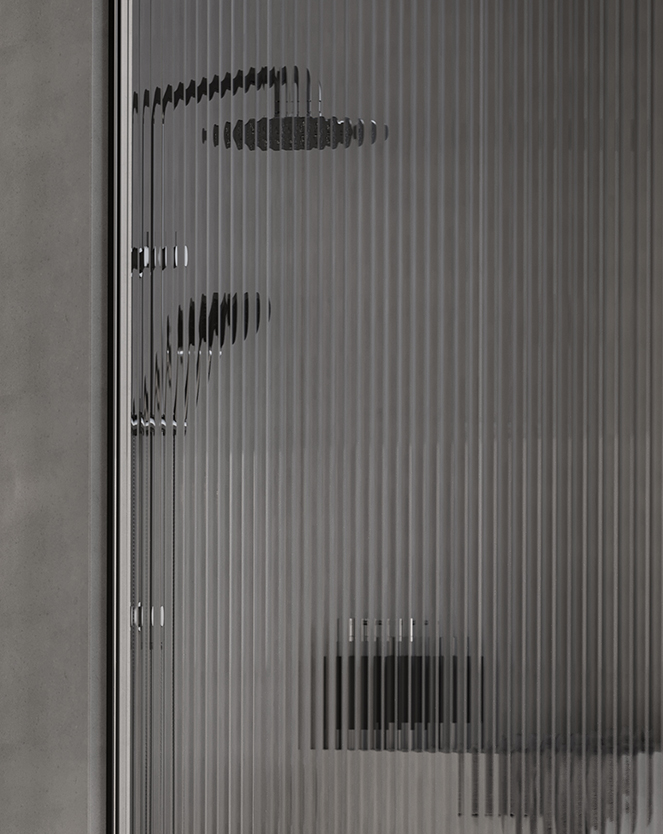
Many people stick to the safe choice of matching a shower rail to the shower head, which misses the opportunity to experiment with alternating colours and textures. A matte black rail with a polished chrome head creates a bespoke modern-rustic look, while a dusky bronze rail perfectly offsets the shine of polished brass or French gold evoking a luxurious provincial feel.
How to Find the Best Shower Heads for Your Needs
Before locking a shower head in we find it helpful to run through the checklist of questions below.
- What type of shower does my family enjoy, i.e. gentle, or with firmer water pressure?
- Who uses the shower, and how?
- How much time is collectively spent in the shower?
- What “look” do I want in the bathroom, i.e. rustic, modern, provincial etc.?
- What space do I have to work with – small, or spacious?
- What is more important to me, form or functionality?
- Is there a shower head type and finish I immediately prefer the look of?
- Is the environmental impact important to me?
- Do I need to reduce my water bill?
- What is my overall shower head budget?
By following this guide you should be able to determine your water spray preferences, the core priorities guiding your choice, and identify the shower head design that stands out from the start. This will narrow down the many options available online, helping you pick the best product for yourself – and your family.
To start this process of narrowing down, we thought we’d highlight three options we have available at Bella Vista, noting you can also select different “finishes” or colours for each.
The Benefits of Upgrading Your Shower Head
Now you know what you’re looking for, you can start on the journey of buying a shower head. It will be some of the best money ever spent given the myriad of benefits that come with the choice. To recap, if chosen well a shower head will improve water efficiency – cutting down bills and helping the planet – all while improving your shower experience and the design of your bathroom.
At Bella Vista we’re committed to providing shower heads and rails that are sustainable and innovative. Our collection has a wide variety of designs and price ranges – with products made from high-quality, durable materials.
Explore Bella Vista’s full range of shower heads and shower rails to find your perfect fit.