






17 June 2026

What is Living Brass? The Aged Finish That Changes Over Time

Some metal finishes hold their look from the very first day they’re installed, maintaining a consistent appearance year after year. Others wear, soften and develop into something a little more personal over time, responding to their environment and the way they’re used. Our Living Brass finish belongs firmly in the second camp, and that’s exactly why it appeals to homeowners and designers who want fittings with warmth, character and a genuine sense of story.


The terminology around brass finishes can be genuinely confusing, even for people well into a renovation. Aged brass, antique brass, living brass: these terms overlap, and they’re used differently depending on the brand, the product and the context in which they appear. 


Even the question of what colour antique brass actually is won’t technically have one fixed answer, considering the finish itself is designed to change. This guide breaks down the differences, explains how each finish behaves over time, and helps you choose with confidence for bathrooms, kitchens and laundries.

antique living brass

What Is Living Brass? Our Aged and Antique Brass Finish

Living brass is brass with a softened, matured appearance rather than the bright polished golden look you’d expect from a new fitting. The term can refer to brass that has naturally developed patina through age, brass that’s been pre-aged through deliberate treatment, or a finish designed to look older from the outset while continuing to evolve.


Brass itself is typically an alloy of copper and zinc, and its surface can shift in tone and texture depending on whether it’s sealed, coated or left to react openly to air and moisture. 


Bella Vista’s Living Brass is a strong example of a finish that’s built to evolve alongside the space it lives in, applied for basin mixers, sink mixers and bath spout across the bathroom and kitchen spaces, where no two pieces age in quite the same way over their lifetime. This is a core part of what we love about developing the colour of the finish itself, feeling genuinely lived in as opposed to being stamped in from a factory line.


What Colour Is Antique Brass?

the colour of antique brass

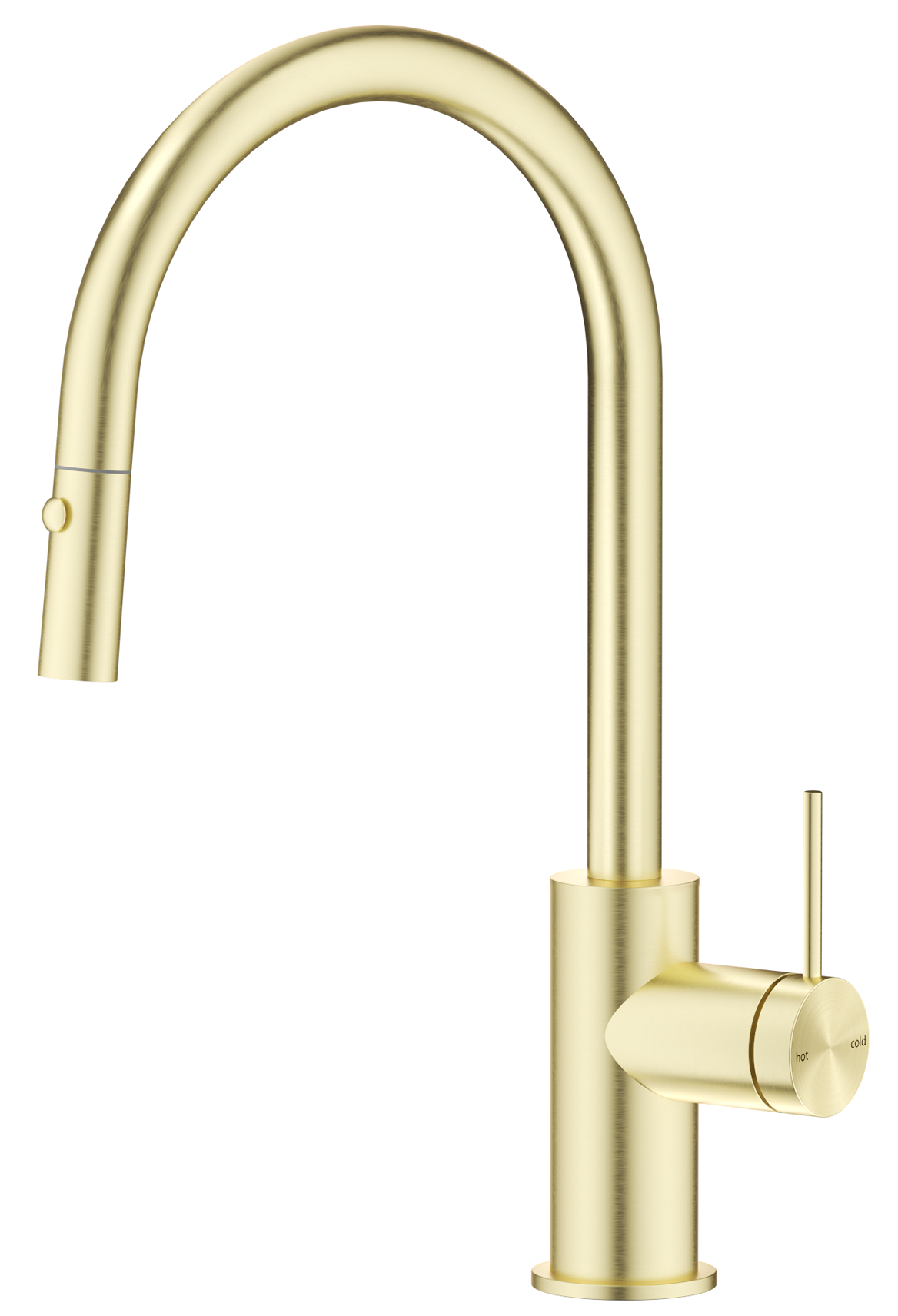
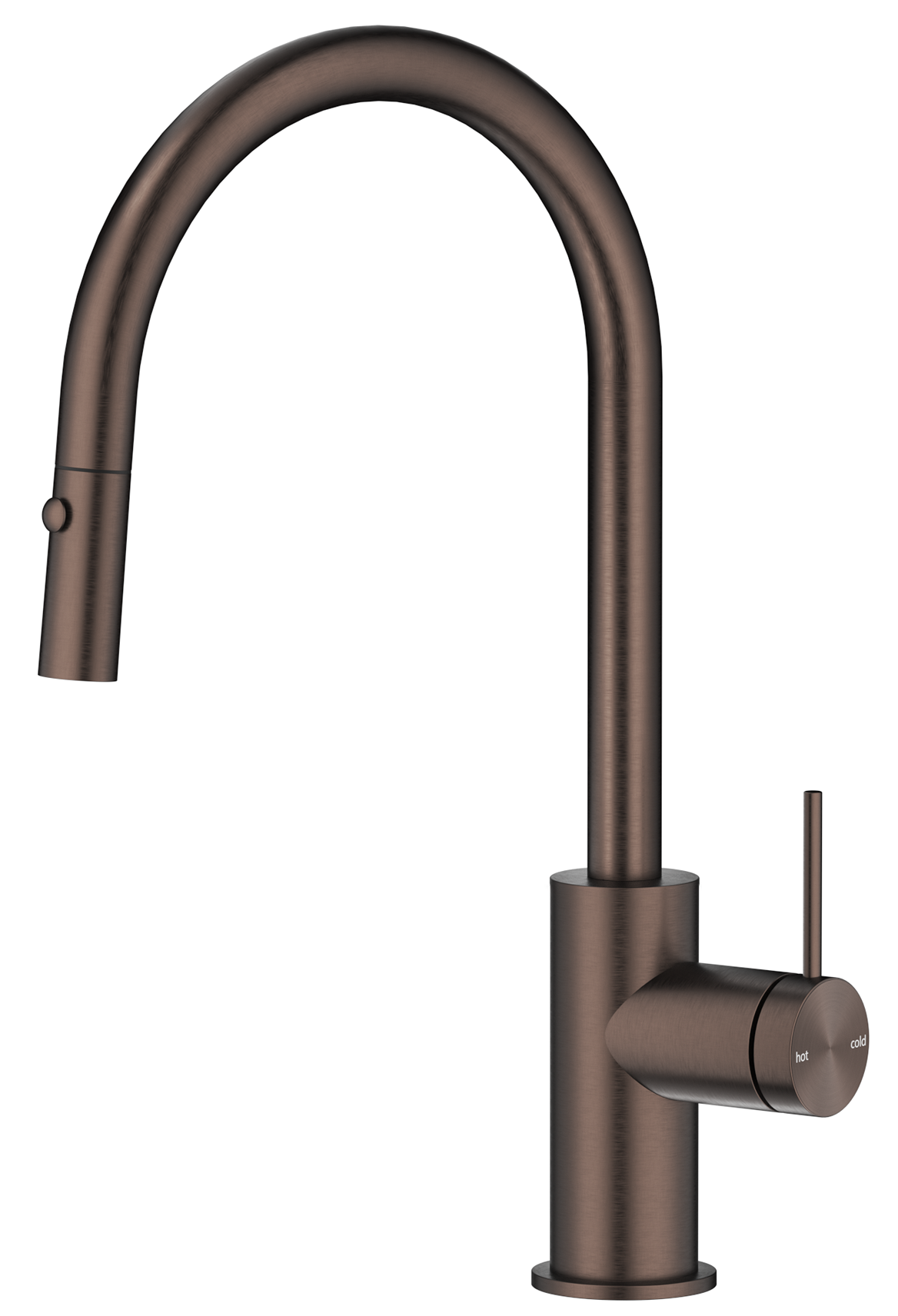
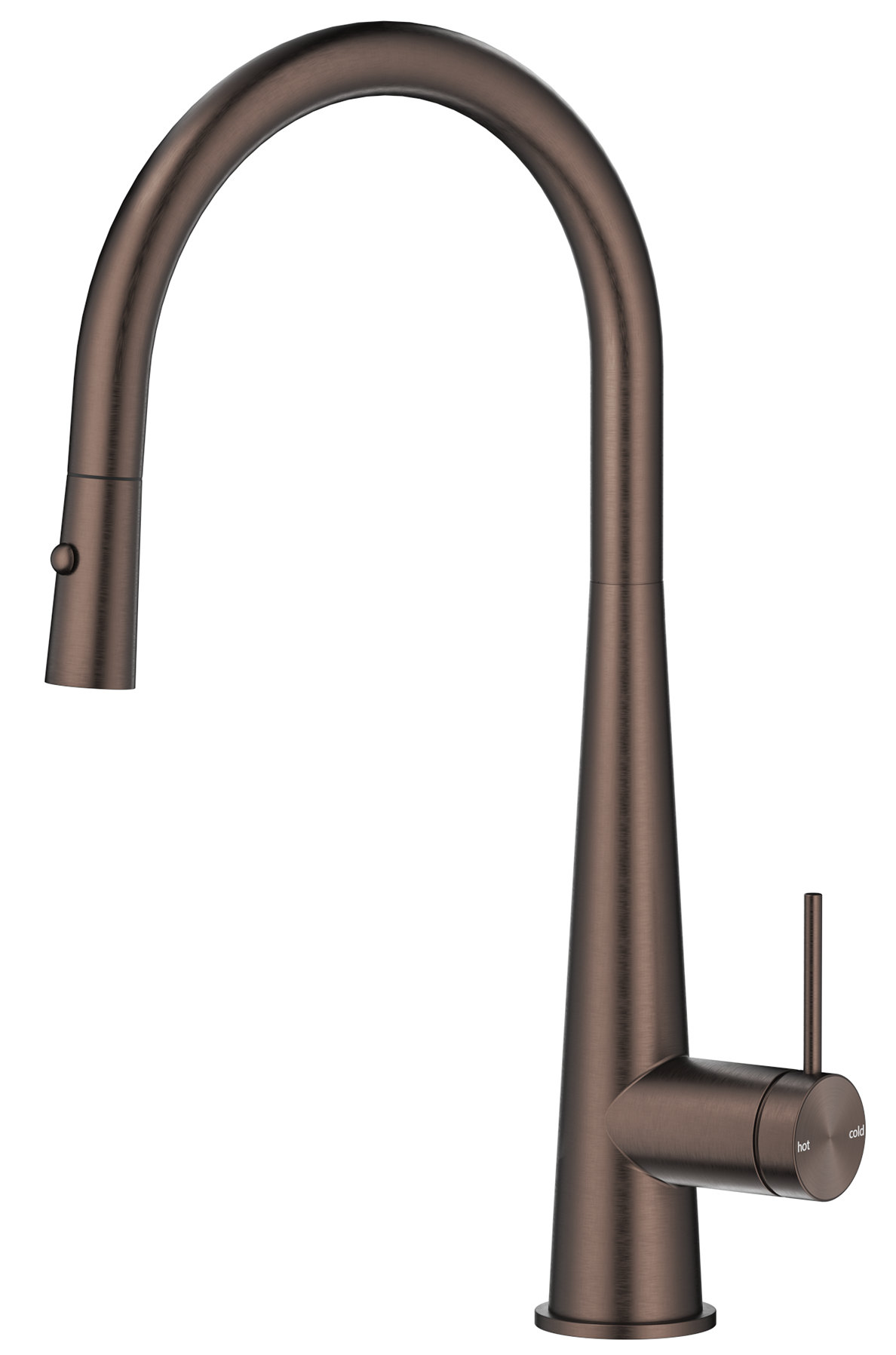
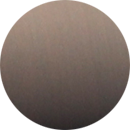
Our Living Brass sits in the warm gold-to-bronze family, with muted brown undertones and noticeably lower reflectivity than what you’d see in a polished brass finish. It impresses as richer, deeper and more subdued than a shiny gold surface, lending itself to interiors that favour nuance over brightness. 

The exact shade can vary depending on how a brand or designer has decided to develop the colour, with lighter antique brass still showing honeyed gold notes while darker versions lean towards brown, olive-bronze and more smoked tones.

Antique brass absorbs light rather than bouncing it back sharply (owing to its darker shade), which gives it a softer and more resolved appearance in the room it’s used in. It pairs well with:


  • Natural stone, marble and travertine surfaces that share its organic warmth
  • Warm and mid-toned timber species like oak and walnut
  • Off-whites, greige and earthy neutrals that don’t compete for attention
  • Deeper accents like charcoal, olive or muted navy for grounding contrast


What Is Living Brass and How Is It Different?

Living brass is an unlacquered or reactive finish that continues to change and develop its character over time through everyday use, effectively our antique or aged brass formulation. Air, moisture, fingerprints, cleaning habits and the frequency of daily contact all play a role in how the patina develops across the surface. 


Antique brass, as context, is often created to look aged in a more controlled or visually stable way from the very beginning of its life.


What Is Brass Made Of, and Why Does It Age?

Brass is made from a combination of copper and zinc, and the copper content is a key reason the metal can darken, soften or develop patina over the course of its lifetime. When the surface isn’t heavily protected by lacquer or a sealed coating, it responds to its surroundings and shows natural variation across different areas of the piece. 


This shouldn’t be mistaken for a flaw in the material or a sign of poor quality; for finishes that grow and change over time, that gradual evolution is the entire point of choosing the material in the first place.


Premium fittings are about material integrity as much as appearance, and the finish should feel intentional and considered rather than thin or temporary in its construction.


Is Antique Brass ‘Real’ Brass?

Antique brass, when it comes to its colour treatment, is an antiqued surface treatment, with the intent to resemble aged brass over a different base material entirely. 


As a product, though, this also refers to bathroom and kitchen items that have been constructed out of brass as a material, and treated in colour with an aging process to manipulate natural colour variations. 


Not every antique brass product on the market is identical in composition, so it’s worth paying attention to both the base material and the quality of the finish itself. If you’re unsure about what you’re purchasing, asking the Bella Vista team for questions before committing is always a good idea.


Where Aged and Living Brass Work Best in the Home

aged and living brass in the home

Bringing the finish to the bathroom, kitchen and laundry can have its own embellishments of warmth and maturity to the given space. The table below shows Bella Vista products available in Living Brass and where each fits best:

LVB V2 Mica Basin Mixer A warm focal point at eye level on the vanity
LVB V2 Mica Wall-Spout Combo Suits refined, pared-back vanity setups
LVB V2 Mica Gooseneck Sink Mixer Carries the finish into high-use spaces for cohesion
LVB Mica Double Towel Rail – 800mm Repeats the finish with intention across accessories

How to Style Antique Brass and Living Brass

Brass finishes bring warmth, depth and continuity to a renovation, and we find they pair particularly well with the following materials and tones:


  • Natural oak, walnut and smoked timber for grounded organic warmth
  • White stone, travertine and marble that let the brass take centre stage
  • Soft whites, sand, putty and greige as a backdrop that doesn’t compete
  • Olive, clay and muted green tones that draw out the brass undertones
  • Matte black accents where you want a sharper moment of contrast
  • Textured tiles, fluting and tactile surfaces that add another layer of interest


Living brass suits modern classic, heritage-inspired, coastal, rustic and more restrained contemporary interiors across a broad range of Australian homes. Variation in the finish adds charm and personality, but keeping a consistent metallic thread across tapware and accessories helps the room feel much more intentional, particularly in smaller spaces where your choice and investment in detail is more visible.

Why This Finish Suits Australian Homes

Australian interiors tend to lean into natural light, layered neutrals, stone and timber as foundational materials that define the character of a space. Aged brass tones sit beautifully alongside all of these elements, reinforcing warmth without introducing anything that feels out of place.


The finish gives the sense of being relaxed and design-conscious rather than overly formal, which suits how most of us actually live and use our homes day to day. Local conditions like humidity, coastal air and everyday wear can also influence how a living finish develops its character, giving each piece a quiet connection to the environment it lives in.

How to Clean Living Brass Without Stripping Its Character

  • Wipe gently with a soft cloth after each use to prevent buildup
  • Use mild soap and warm water when a deeper clean is needed
  • Dry the surface after cleaning to reduce water spotting over time
  • Avoid abrasive pads, harsh chemicals and strong acidic cleaners that can damage the finish
  • Avoid over-polishing if you want to preserve the natural patina that’s developed


Cleaning living brass is partly about deciding whether you want to hold its current look or allow the surface to continue changing naturally with use. The finish will continue to wax and wane depending on how it’s handled and how frequently it’s cleaned. Higher-touch areas may age differently from less-used surfaces over time, and that variation is entirely expected and part of the character.

FAQ's

  • What is the difference between brass and aged brass?

    Brass is the base metal alloy made from copper and zinc, while aged brass describes a finish or appearance that looks softened, darkened or matured. Standard brass starts brighter and more reflective in its original state, while aged brass carries a muted, lived-in character from the outset.

  • Will aged brass tarnish?

    Living or unlacquered aged brass can continue to tarnish or develop patina as part of its natural evolution over time. Some aged-look finishes are more stable and change less noticeably, depending on the type of coating that’s been applied to the surface.

  • What does naturally aged brass look like?

    Warm and layered, usually shifting from brighter gold into softer brown, bronze and sometimes slightly olive-toned notes as it matures. Touchpoints and moisture exposure create subtle variation across the surface that gives each piece its own individual character.

  • How to tell if brass is antique?

    In renovation contexts, antique brass usually refers to a finish styled to look old rather than a genuinely old or vintage piece. Look for a subdued sheen paired with deeper brown-gold undertones and a less uniform, less reflective appearance compared to standard polished brass.

  • Is antique brass like soft gold?

    They share a similar warmth in their undertones, but they aren’t the same finish and shouldn’t be treated interchangeably. Our living brass is generally darker, textured and more weathered-looking, while our lighter, soft French gold tends to be cleaner and lighter in its overall feel.

  • How to clean living brass?

    Use a soft cloth and mild soap, and avoid abrasive or harsh chemical cleaners that could strip the surface. Less intervention often preserves the finish’s evolving character better than frequent polishing or aggressive cleaning routines.

  • What is the colour of antique brass?

    It presents itself as a muted golden-brown with warm undertones and a low-sheen finish that absorbs light rather than reflecting it sharply. Exact shades range from honeyed bronze to deeper smoked brass depending on the specific product and brand.

  • What colours look good with antique brass?

    Warm whites, greige, taupe, olive, charcoal, deep green, natural timber tones, and stone or marble neutrals all complement the finish well. Antique brass works best when surrounded by materials that share its warmth or provide gentle, considered contrast.

Discover the look: Mica


Join our mailing list and be the first to know about new products